
Regenerative, injection-based therapies that stimulate the follicles you already have — for denser scalp hair and a fuller, more even beard, without transplants or downtime.

Hair loss is rarely the dramatic, overnight thing the supplement adverts pretend it is. It begins as a sense of the parting widening. A beard that won’t fill out along the jawline however long you leave it. Hair on the pillow you don’t remember leaving there. The kind of slow change you photograph by accident and only notice later.
Most people don’t need a transplant. They need the follicles they already have to be properly fed.
Our regenerative protocols — polynucleotides, microneedling, and growth-factor mesotherapy — do exactly that. They reach the follicle through the skin, deliver the signals it needs to extend its active growth phase, and improve the blood supply that keeps existing hair on the head longer.
Each session blends one or more of three regenerative tools. Polynucleotides — purified DNA fragments — signal repair and growth at the follicle. Microneedling creates controlled micro-injuries that trigger the scalp’s healing response and boost local blood flow. Peptide and growth-factor mesotherapy directly nourishes the dermal layer the follicles sit in.
The protocol is built around your starting point at consultation: degree of thinning, the type of loss, whether you’re treating scalp, beard, or both. Most clients run a course of three to four sessions, four to six weeks apart, then a maintenance pattern thereafter.
There’s a wide gap between a salon offering “hair mesotherapy” and a clinic-grade regenerative protocol. Here’s how we’re structured.
We use well-known polynucleotide and peptide ranges with documented hair-growth use cases, never unbranded compounds.
Every injection is performed by a registered medical professional — not by an entry-level technician.
The protocol is calibrated for the area: scalp thinning, frontal hairline, crown, or patchy beard growth along the jawline.
If your hair loss has progressed beyond what regenerative work can reasonably reverse, we’ll tell you, and refer if appropriate.
We can stack microneedling, polynucleotides, and peptides for stronger response in the same session when clinically indicated.
Private treatment rooms suitable for clients who’d rather not advertise a hair appointment to a waiting room.
Clinics in Barnsley and London. Book wherever fits your week and your travel.
Standardised photography at each session means your progress is measurable, not just remembered.
From your initial scalp assessment through to ongoing maintenance — a measurable, well-paced course.
We examine the scalp and follicles under magnification, identify the pattern and likely cause of loss, and capture baseline photography to track progress objectively.

Based on your stage, area, and goals, we map out a course — which products, how many sessions, what spacing, and any complementary aftercare or topical regimen.

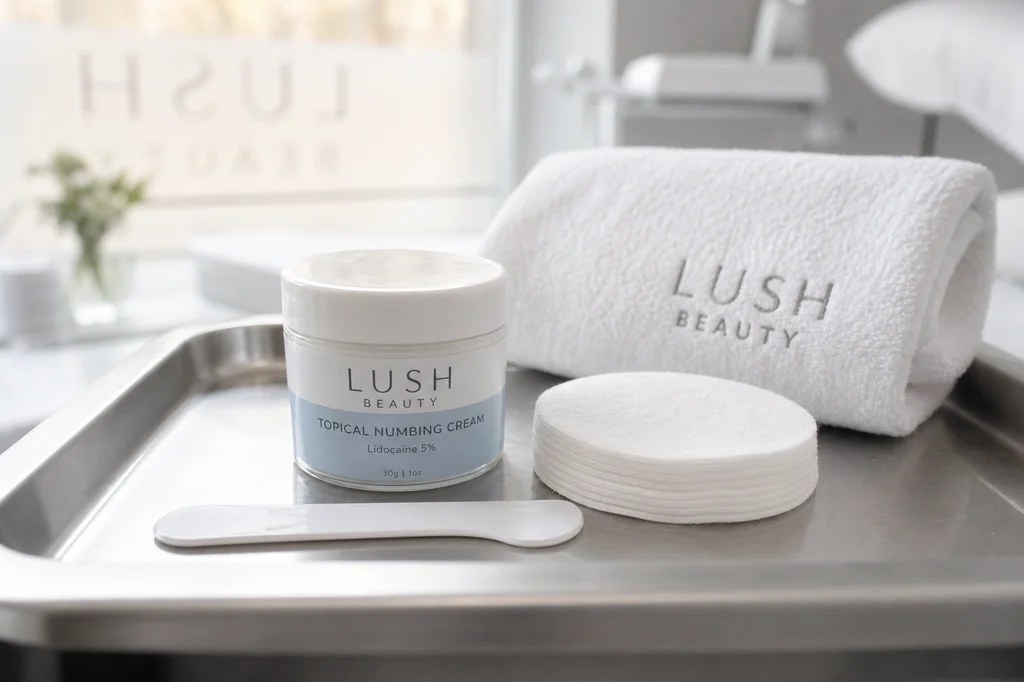
The area is cleansed; a topical anaesthetic is applied if requested. Most clients find numbing optional for the scalp, useful for the beard.
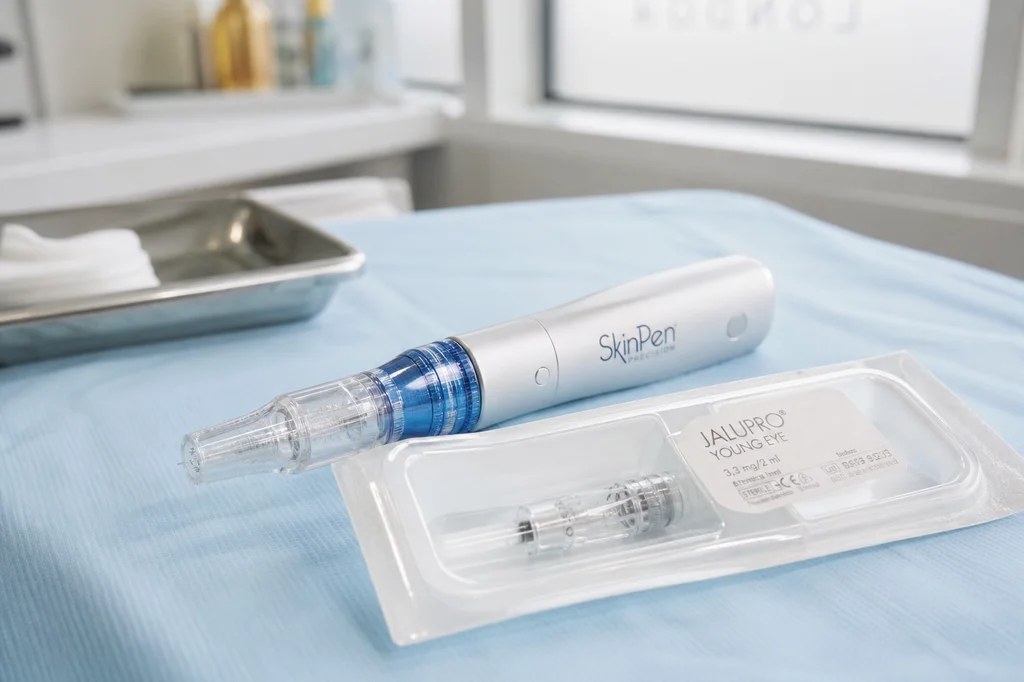
Polynucleotide and peptide products are delivered through a fine needle into the dermal layer, layered with mechanical microneedling where the protocol calls for it.
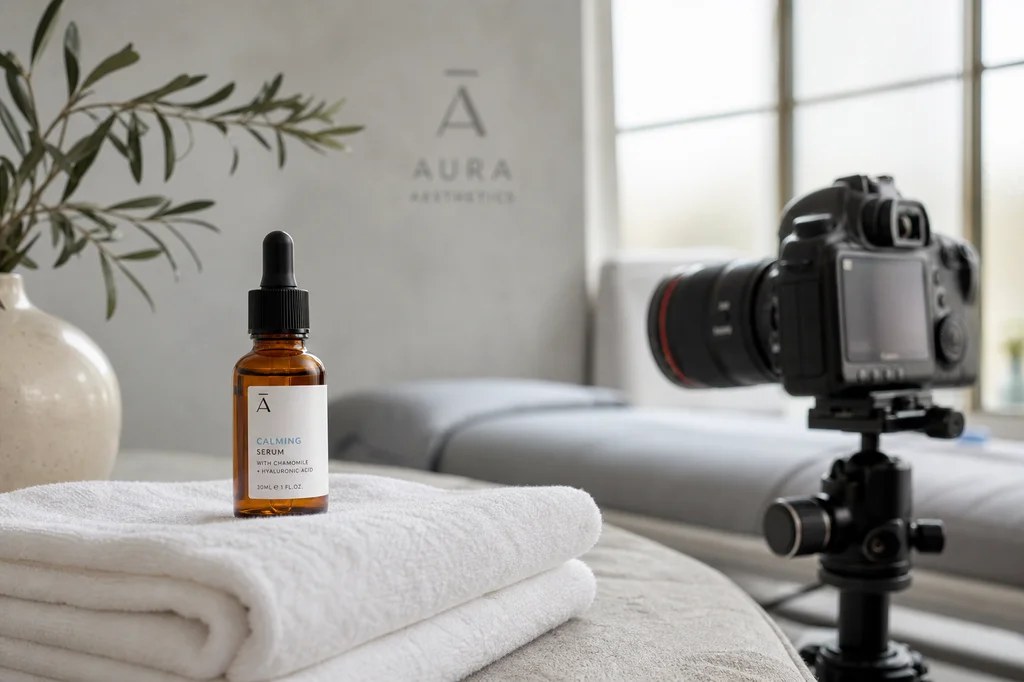
A calming serum is applied to the treated area, and a standardised set of photographs is taken to compare against your baseline at the next session.
Your next session is booked at the right interval. You leave with written aftercare and direct contact for any post-session questions or scalp queries.

Often the first noticeable change — less hair on the pillow, in the shower, and on the comb — typically within four to six weeks of starting.
Existing hairs become thicker and finer hairs convert to terminal hairs across the treated zone, giving a denser visual coverage.
Where regenerative work suits the cause of patchiness, jawline and cheek patches commonly fill more evenly over the course.
Improved local circulation means a calmer, less inflamed scalp — an underrated factor in keeping hair on the head for longer.
Standardised photography at each session means progress is documented, not guessed at. You can see what’s changing in your own scans.
One or two top-up sessions a year typically holds the result. Without maintenance, the underlying loss pattern will eventually reassert itself.
Regenerative hair work is well-tolerated when delivered properly. Here’s how we keep your sessions both safe and measurable.
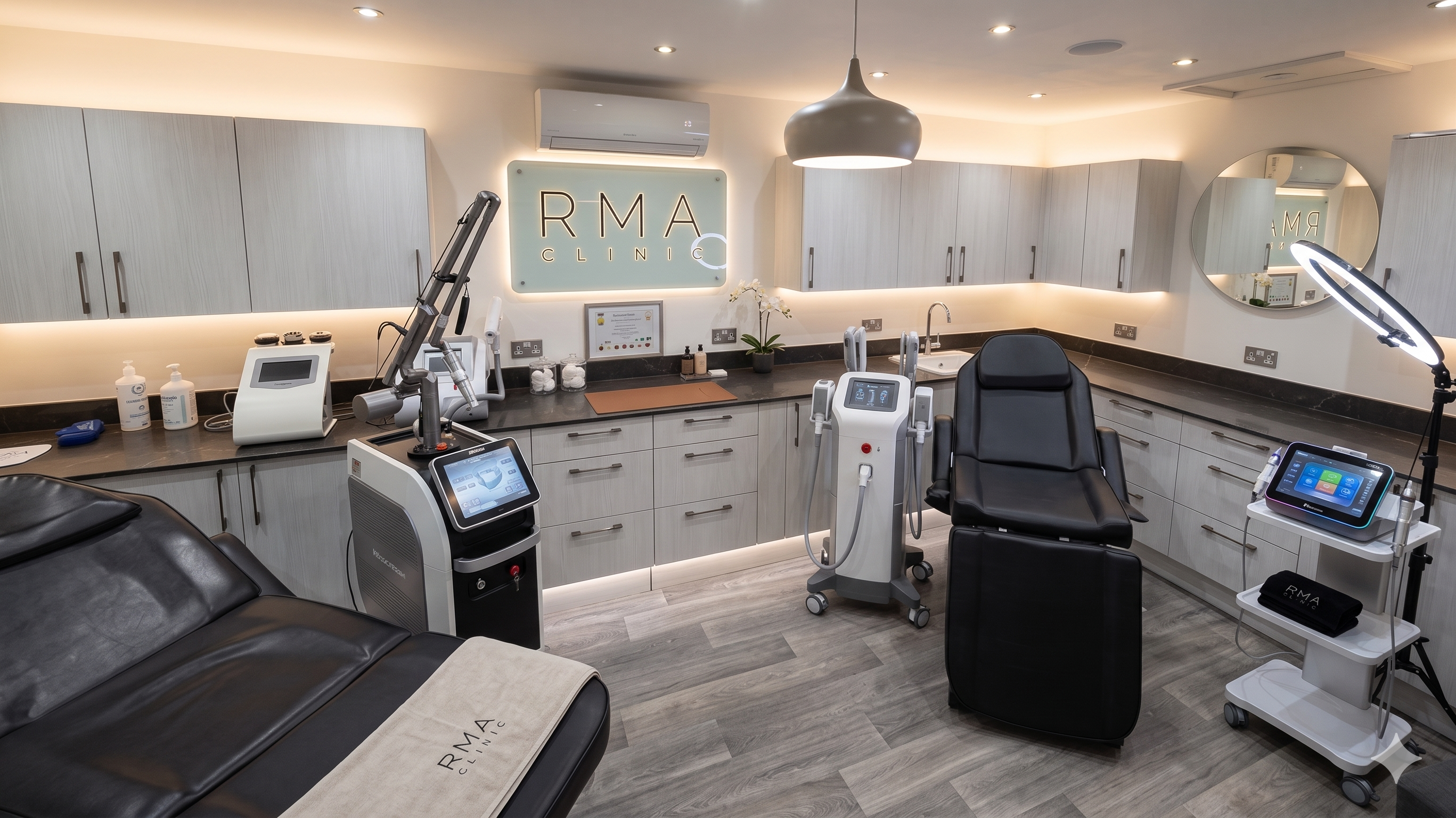
All needle work is performed by a registered medical professional with documented training in scalp injection technique.
Every product is CE-marked, batch-traceable, and supplied through regulated medical distribution channels.
Needles, cartridges, and microneedling tips are sterile, single-use, and opened in front of you at every session.
Consent, hygiene, and record-keeping aligned with UK CQC standards across both clinic sites.
You may be a good candidate if you:
Most clients describe scalp injections as a series of brief pinpricks, very tolerable without numbing. For beard work, a topical anaesthetic is available and commonly used. We pause whenever needed.
A transplant moves hair follicles surgically from one part of the scalp to another. Regenerative therapy stimulates the follicles you already have. It’s non-surgical, has no downtime, and is appropriate for earlier stages of thinning.
A typical initial course is three to four sessions, spaced four to six weeks apart. Maintenance afterwards is usually one or two sessions per year to hold the result.
Reduced shedding is often noticed first, within the opening weeks. Visible density changes usually appear between sessions two and three, with full effect at the three-to-six month mark.
With light maintenance — one or two top-ups a year — yes. Without maintenance, the underlying biology of hair loss will eventually reassert itself, since the protocol stimulates follicles rather than permanently altering them.
No formal downtime. There may be tiny pinpoint marks and mild redness for a few hours. You can return to work straight away. Avoid washing the treated area, intense exercise, saunas, and pools for 24 to 48 hours.
Yes — regenerative protocols sit comfortably alongside topical treatments, oral medications, and lifestyle interventions for hair loss. We’ll discuss your full plan at consultation.
Absolutely. Female-pattern thinning, post-partum shedding, and menopause-related changes all respond well when the underlying cause is one that regenerative therapy is suited to.
Pricing depends on the protocol, the area treated, and the number of sessions. We provide fixed, transparent pricing in writing at consultation — no surprise charges, no upsells.
Simply book a consultation or call 07506 689894. We’ll assess your stage, design your protocol, and book the first session.
If you’ve been quietly watching the hair situation worsen and would prefer to do something about it before considering surgery — a single consultation will tell you exactly what regenerative work can and can’t do for your stage.
Submit your details below and a member of our team will be in touch to arrange your scalp assessment.
Prefer to talk? Call 07506 689894 or email info@restartmedical.co.uk.
Medical Policy & Disclaimer: The content on this page is for informational purposes only and does not constitute a medical offer. Hair and beard enhancement using polynucleotides, microneedling, and peptide mesotherapy is a non-surgical regenerative procedure. Results vary by individual and are not guaranteed; degree and durability of response depend on the underlying cause of hair loss, your starting stage, and adherence to the recommended schedule and maintenance. Suitability must be assessed by a qualified clinician during a consultation. Restart Medical & Aesthetics Clinic operates in line with UK ASA/CAP advertising standards and CQC-aligned clinical hygiene and consent protocols.